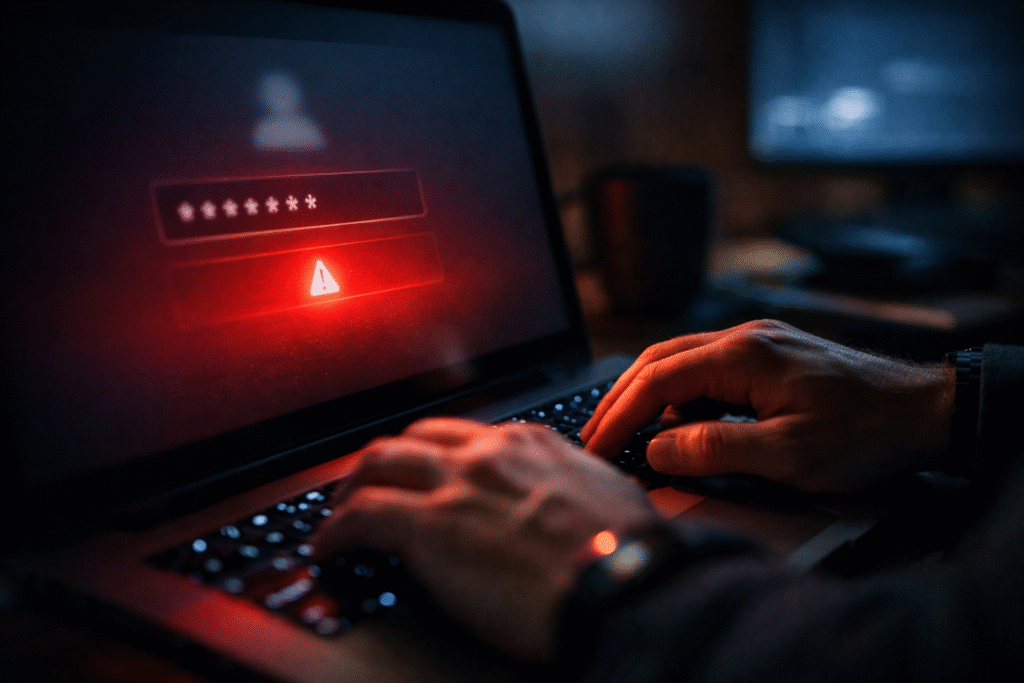
Most people don’t think twice about passwords. We create one quickly, reuse it across platforms, and move on. It feels like a small detail. But in reality, passwords are often the only thing standing between your private data and someone who shouldn’t have access to it.
And weak passwords make that barrier almost meaningless.
It Only Takes One Guess
Cybercriminals don’t usually “guess” passwords the way we imagine. They use automated tools that try thousands of combinations every second. If your password is something like 123456, password123, or your birthdate, it’s already on a commonly used list.
These tools don’t need hours. Sometimes they don’t even need minutes.
Short passwords, simple words, or predictable patterns fall almost instantly. The scary part? You may never know someone tried — until damage is already done.
Your Email Is the Real Target
Many people underestimate how important their email account is.
If someone gains access to your email, they can reset passwords for banking apps, shopping websites, and social media accounts. They can impersonate you, access personal documents, or even lock you out completely.
One weak password can unlock everything connected to that email address.
The Financial Risk Is Real
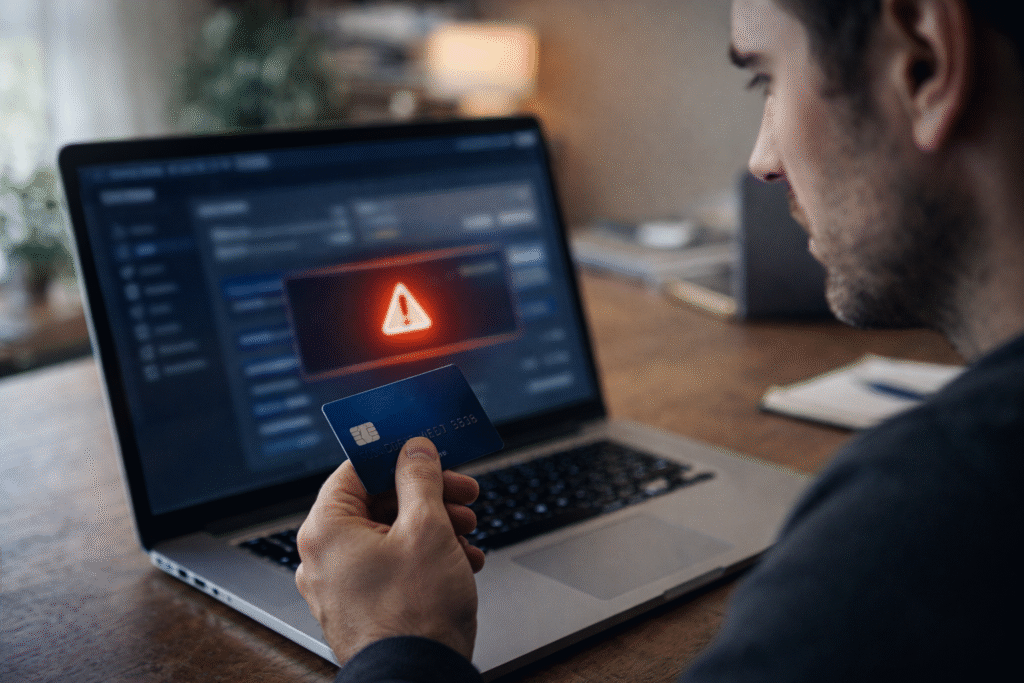
Online banking, UPI apps, credit cards, and digital wallets are all protected by login credentials. If those credentials are weak, you’re basically trusting luck.
For individuals, that might mean unauthorized transactions.
For businesses, the impact can be much worse:
- Customer data exposure
- Payment fraud
- Legal consequences
Loss of trust
In many reported security incidents, the entry point wasn’t advanced hacking — it was a compromised password.
Reusing Passwords Makes It Worse
Here’s a common habit: using the same password for multiple accounts.
It feels convenient. But when one platform experiences a data breach, attackers often test those same credentials on other websites. This technique is called credential stuffing.
If your password is reused across five accounts, one breach becomes five problems.
It’s Not Just About Complexity — It’s About Unpredictability
A strong password isn’t just random symbols. It’s something that isn’t easily guessed.
For example:
- Avoid names of pets or children
- Avoid predictable number patterns
- Avoid dictionary words
Longer passwords are generally safer. A phrase with mixed characters is stronger than a short, complicated-looking word.
Something like:
RedRiver!Cloud92Stone
is far harder to crack than
Rahul123
Length adds security.
Small Changes Make a Big Difference
You don’t need to memorize dozens of complex passwords.
You can:
- Use a password manager
- Turn on two-factor authentication (2FA)
- Avoid reusing passwords
- Change old passwords that are simple or repeated
These steps don’t take long, but they significantly reduce risk.
Final Thought
Weak passwords feel harmless because nothing bad has happened yet.
But cybersecurity isn’t about reacting — it’s about preventing.
A few extra seconds spent creating a stronger password can save months of stress, financial loss, or data recovery later. In today’s digital world, that small effort is more than worth it.