We live in a time where our phones are almost like an extension of ourselves. A ping on WhatsApp, a new comment on Instagram, or a message request — most of the time, these are harmless. But sometimes, one message is all it takes to make your heart race for the wrong reasons.
Maybe someone kept messaging you even after you said “please stop.”
Maybe a stranger created a fake profile using your photos.
Maybe an ex keeps tracking your posts, viewing every story within seconds.
Or maybe someone sent you something that made you feel uncomfortable… or unsafe.
If any of this has happened to you, you’re not alone.
And more importantly — you’re not helpless.
Online harassment and cyberstalking are more common than we think, and they don’t just “stay online.” They affect your peace of mind, your confidence, and sometimes even your daily life. The good news? The law does not take these actions lightly.
This blog breaks things down in a warm, simple, and human way — so you know exactly what counts as online harassment, what the punishments are, and what steps you can take if it ever happens to you or someone you love.
Online harassment isn’t always dramatic or obvious. Sometimes it’s small things that slowly start affecting you.
It can be:
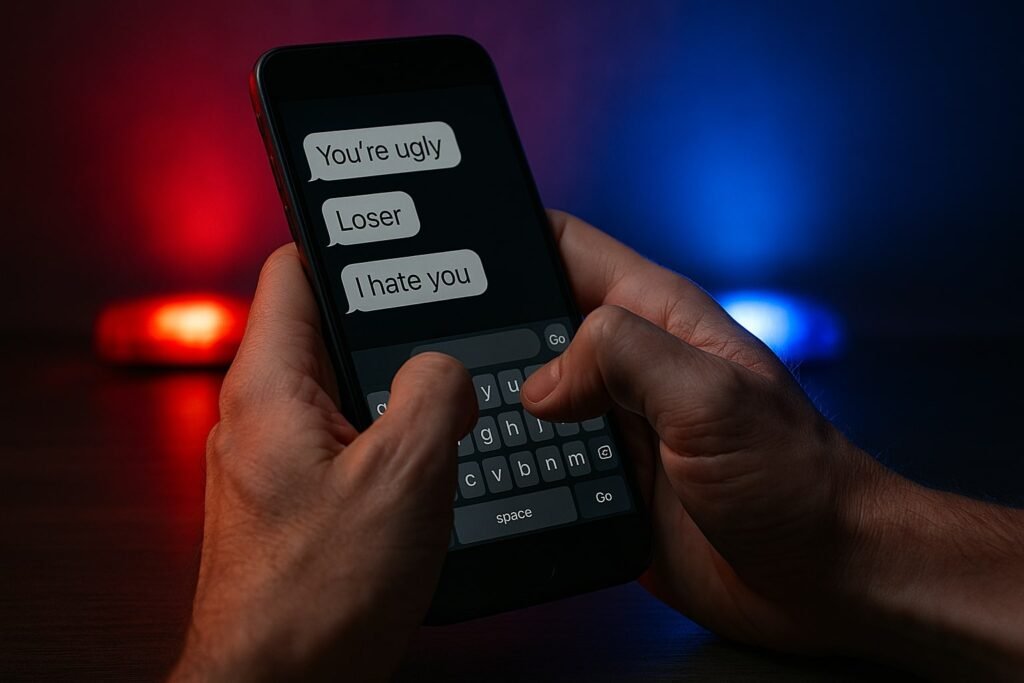
Someone calling you names or abusing you in DMs
Unwanted messages from people you don’t know
Your personal photos being shared without your consent
Getting added to inappropriate groups
Someone spreading rumours about you online
Anonymous accounts trolling you
Being constantly watched or monitored online
Sometimes people dismiss it saying “just block them,”
but anyone who has experienced it knows—it’s not that simple.
Blocking doesn’t erase the fear.
It doesn’t erase the constant worry of “What will they do next?”
That is where the law steps in.
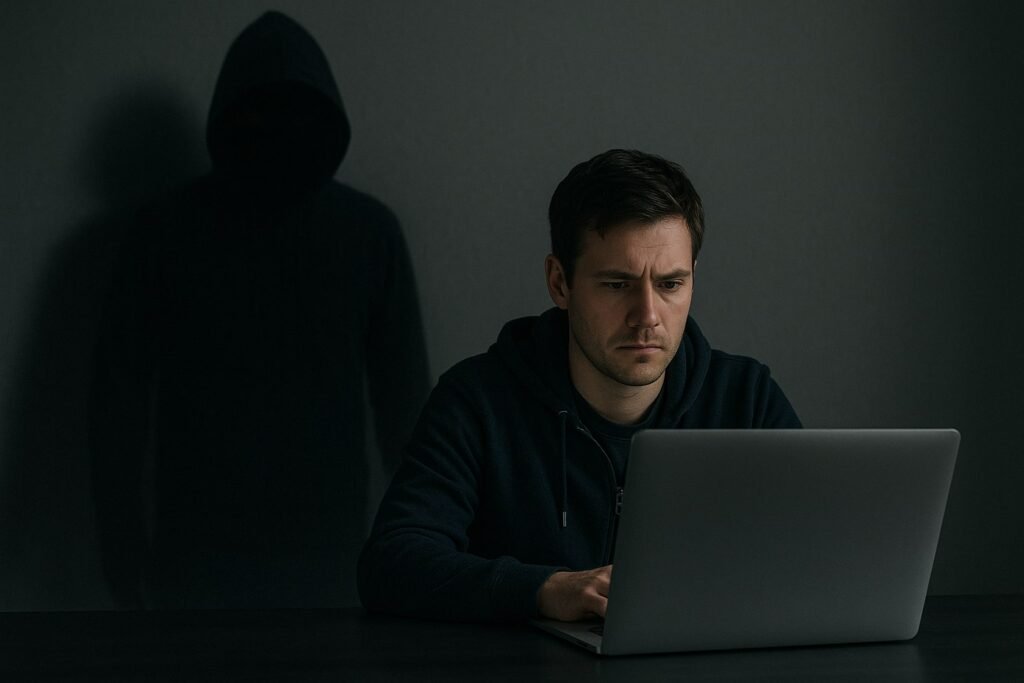
Cyberstalking is when someone doesn’t leave you alone online, even after you’ve made it clear that you’re not interested.
It could be:
Repeated DMs
Someone keeping track of your posts
Messaging from new accounts every time you block them
Threatening you
Trying to hack your profile
Monitoring your check-ins or online activity
Sending you “I know where you live/work” type messages
It’s persistent, unwanted, and frightening.
Cyberstalking can make you feel watched — even when you’re just sitting alone in your room.
And this exact feeling is why the law treats it seriously.
India has very strong laws to protect you.
If someone keeps messaging, following, or watching a woman online after she clearly said NO:
Jail up to 3 years for the first time
Jail up to 5 years if they do it again
Sending dirty comments, obscene messages, or anything meant to shame or embarrass a woman:
Up to 3 years in jail + fine
Spreading lies or false information about someone online:
Up to 2 years in jail + fine
Blackmail, threats, or messages that make you fear for your safety:
Punishment can go up to 7 years in jail
Explicit messages, unwanted sexual content, or asking for sexual favors:
1 to 3 years in jail + fine
Sharing private photos or videos without permission:
Up to 3 years jail (first offense)
Up to 5 years jail (second offense)
Taking or sharing someone’s private images:
Up to 3 years jail + ₹2 lakh fine
Using someone’s photos or pretending to be them:
Up to 3 years jail + fine
To show you how serious this issue is globally:
USA: Up to 5 years in federal prison
UK: Up to 10 years
Australia: Up to 5 years
Canada: 5–10 years
Online harassment is NOT “normal.”
It is NOT “just the internet.”
It is a crime everywhere.
Here are simple steps — easy to follow, even when you’re stressed.
Take screenshots.
Save chats.
Don’t delete anything — even if it feels disturbing.
Go to cybercrime.gov.in
You can report anonymously for cases involving women and children.
Every big city has a cyber cell.
You don’t need to know who the offender is — they will trace it.
For urgent cybercrime incidents.
And remember:
You’re not “overreacting.” Your safety matters.
When someone harasses you online, it’s not just about messages — it’s about how it makes you feel.
You might:
Lose sleep
Avoid social media
Feel scared or anxious
Become more conscious about what you post
Feel like your privacy is gone
The law tries to ensure that no one has to live in fear because of a screen.
Punishments don’t just penalize offenders — they protect victims.
If you’ve clicked on this blog because you or someone you care about is going through online harassment, I want you to remember this:
You deserve to feel safe.
You deserve respect.
Your fear is valid.
Your privacy matters.
And most importantly —
the law is on your side.
You don’t have to tolerate online harassment.
You don’t have to stay silent.
Speak up, report it, and protect your peace.