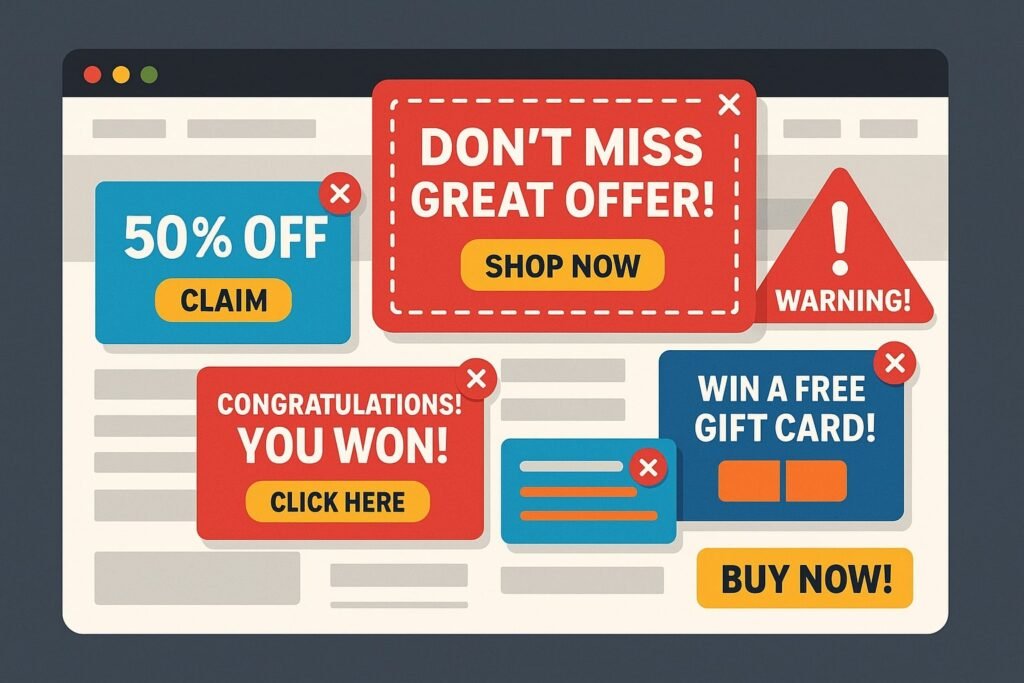
Let’s be honest—we all think we’re pretty good at spotting scams online… until we suddenly aren’t. Fake websites have gotten ridiculously polished these days. Some of them look cleaner than actual brand websites, which makes it harder to trust what we see.
I’ve had moments where I landed on a site and something in my head whispered, “Hmm… something’s off.”
Not enough to make me run away immediately, but enough to make me slow down. And over time, I’ve realised that those tiny details—the ones most people scroll past—are usually the biggest clues.
So here’s a simple, human-to-human breakdown of 12 small red flags that often slip under the radar.
It’s not science—sometimes it’s just instinct.
Maybe the logo looks a little blurry. Maybe the spacing feels odd. Or maybe the design feels like it was copied from somewhere but not perfectly.
Trust that instinct. It’s usually your brain noticing something subtle before you consciously do.
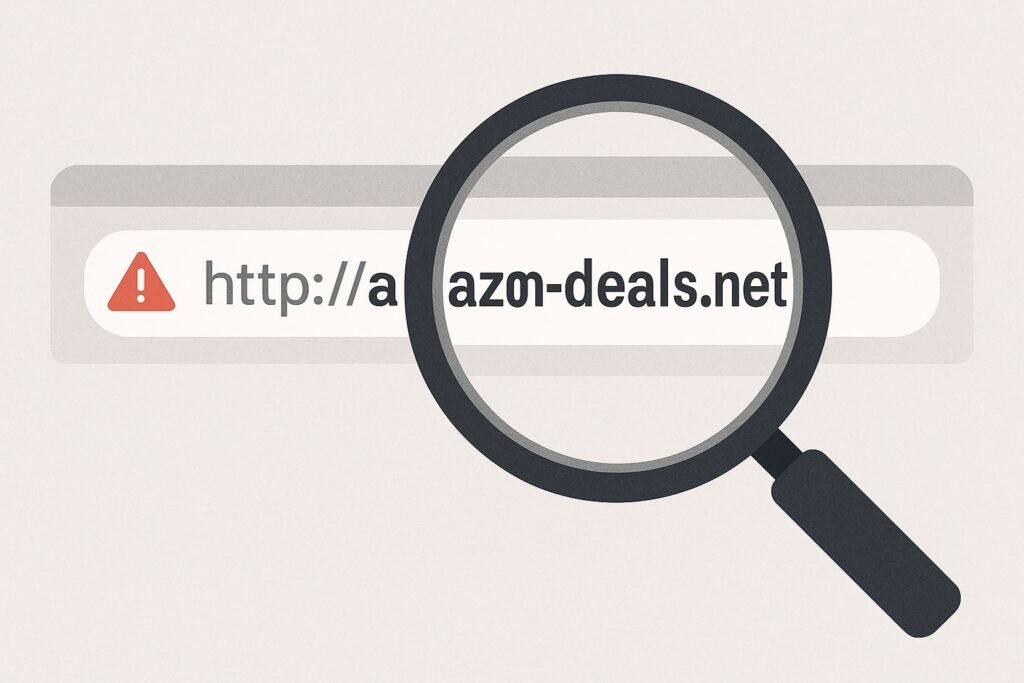
Fake websites rely heavily on the fact that most people don’t read URLs.
You’ll see:
swapped letters
sneaky numbers
unnecessary hyphens
odd-looking domain endings
It’s like someone copying homework and changing one word hoping the teacher won’t notice.
Real businesses talk about their story—how they started, what they do, even a little personality.
Scam sites write things like:
“We are committed to providing quality products to our valued customers.”
That sentence could belong to literally anyone. If their story feels empty or strangely generic, that’s not a good sign.
There’s a difference between a sale and a this-can’t-be-real sale.
When every single product is magically 60–80% off or items that should be expensive are suddenly dirt cheap, that’s your warning. A site selling a ₹40,000 phone for ₹3,000 isn’t running a promotion—they’re running a scam.
Real reviews:
vary in tone
mention small details
sometimes complain
Fake reviews sound like someone trying too hard to sound happy.
Everything is “amazing,” “excellent,” “unbelievable.”
And somehow every review reads like the same person wrote it at 3 AM.
A legitimate business wants customers to reach them.
Scam sites hide behind:
a single Gmail ID
a phone number that’s always “switched off”
an address that doesn’t exist on Maps
If getting in touch feels like chasing a ghost, step away.
This is a classic giveaway.
Sometimes the grammar is fine, but something about the writing feels… off. Too stiff, too formal, or just unnatural for the brand. Once you slow down and read line by line, the flaws become clearer.
Even if the site looks amazing, it can’t escape this one.
If you check the domain and find it was created two weeks ago but claims to be “trusted since 2012,” that’s a huge red flag. Scammers build new domains constantly because old ones get caught.
This is where many scam sites slip.
You click “Buy Now,” and suddenly the page redirects to another random-looking website or a payment portal you’ve never heard of.
Real businesses keep their checkout pages consistent.
If you feel like you’ve suddenly stepped into a different zone, stop.
Return policy, refund policy, privacy policy—these things matter. Legit sites spell them out clearly. Scam sites often keep things vague on purpose, because they don’t want to commit to anything.
If their “policy” page looks like it was copied from somewhere else or you can’t actually understand how returns work, that’s a big clue.
Right-click an image and do a quick reverse search.
If the same picture appears on five random stores, the site probably stole it. Scammers rarely take their own photos, so they grab images from real brands and hope no one notices.
Fraudsters don’t spend much time or money building their websites. That’s why they often load slowly or look messy on certain pages. Buttons won’t work, links are broken, or half the icons don’t show up.
It just feels low-effort—and usually, it is.
Identifying a fake website isn’t about being paranoid—it’s about being careful. Scammers have gotten smarter, but so can we. Once you learn to spot these small signs, you’ll notice them everywhere.
Slow down, glance at the details, and trust your instincts. They’re usually whispering something for a reason.