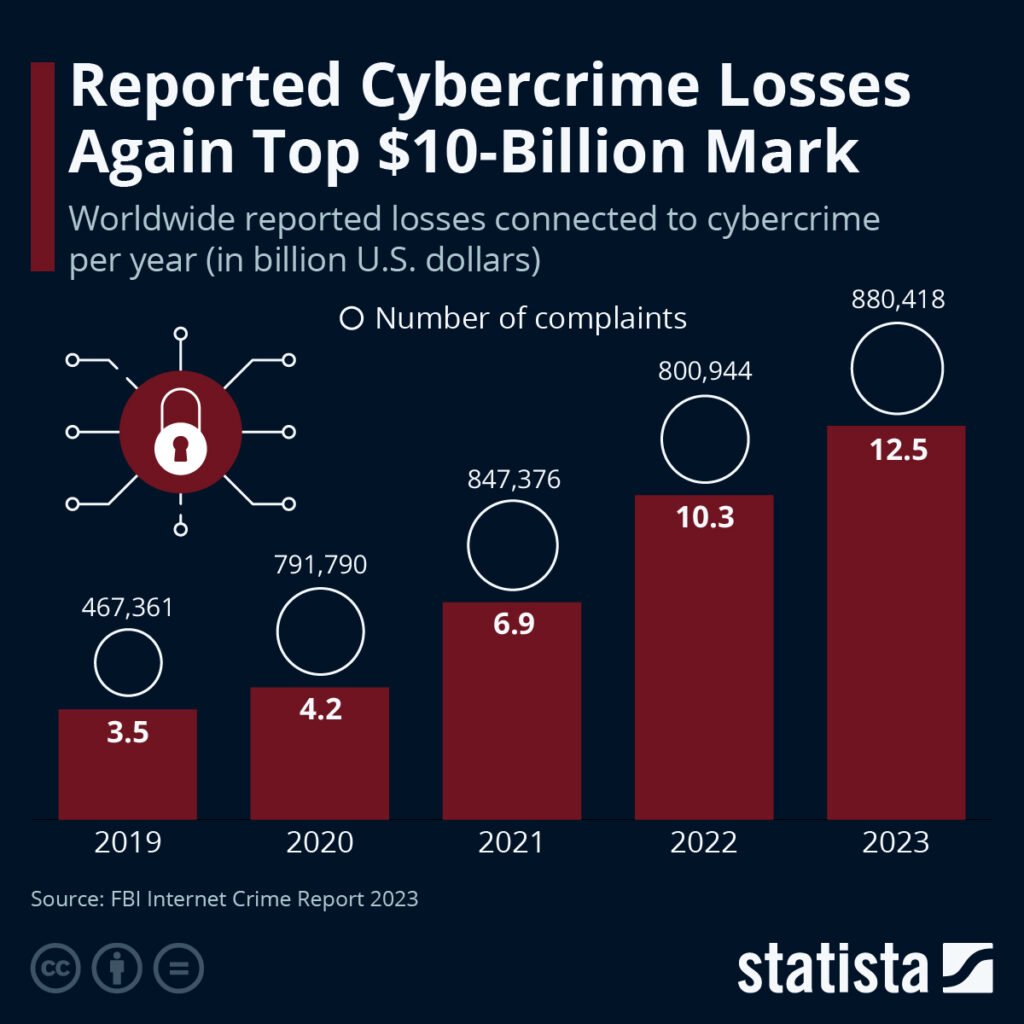
In the last few years, cyber scams have quietly grown from a background threat to a direct business risk. Most companies today understand that cyberattacks exist, but very few realise how easily these scams can drain money—not just in the form of stolen funds, but through a long chain of consequences that appear weeks or even months later.
When you talk to business owners, many think cybercrime is something that happens to “big brands,” or only to companies with poor security. But the truth is far more uncomfortable: even well-run businesses lose money every single day because of small, unnoticed cyber scams.
It usually begins with one odd email, a misdirected payment, an employee clicking something they shouldn’t have, or a customer database leak buried deep in a neglected server.
Let’s break down how companies are actually losing money, and why this topic demands urgent attention.
1. Direct Financial Theft—The Most Obvious Loss, But Not the Only One
The most visible way companies lose money is when scammers directly steal it.
This could be through:
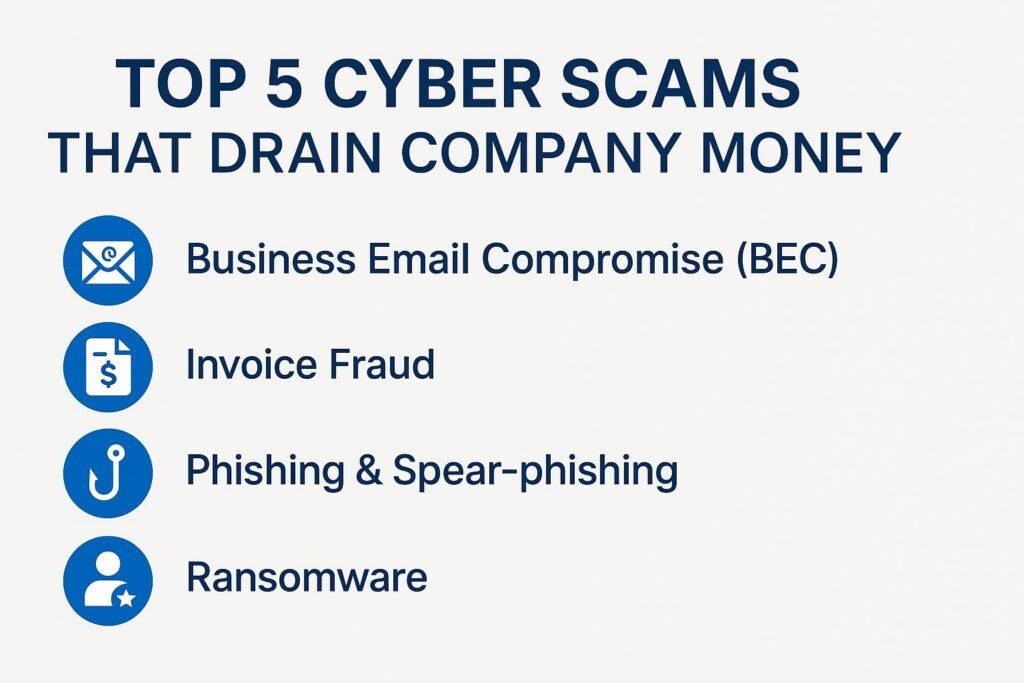
A fraudulent invoice that looks almost identical to the real supplier
A fake payment link sent to an employee
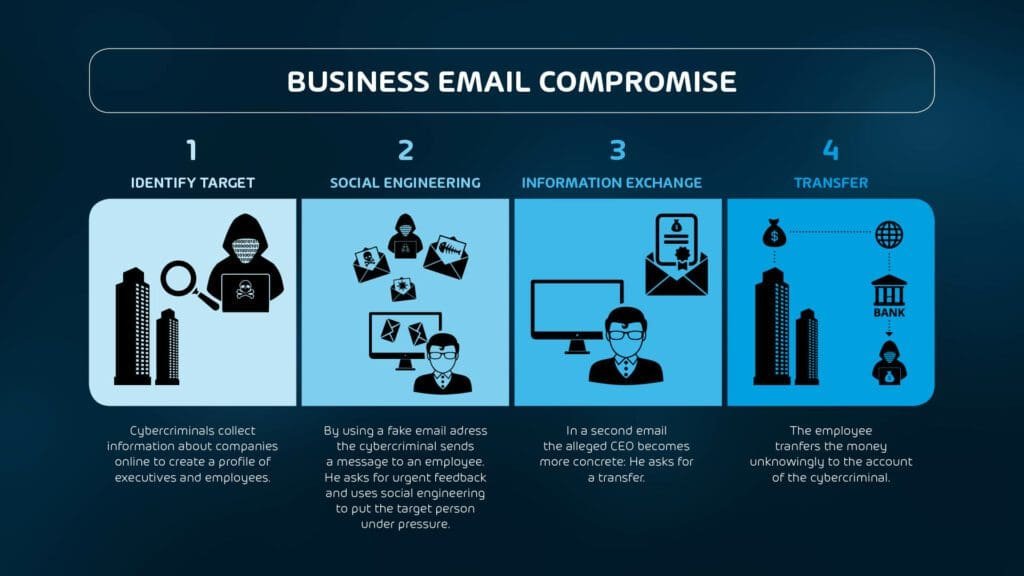
A spoofed CEO email pressuring someone in accounts to “make a quick transfer”
A hacked business email system used to divert payments
One midsize business recently shared how they lost ₹42 lakh simply because a scammer created an email ID one letter off from their vendor’s. The accounts executive didn’t notice, processed the payment, and the money disappeared overseas within minutes.
These attacks look simple, but they’re incredibly effective. And once the transfer is made, recovering the funds is extremely difficult. Banks try their best, but by the time the fraud is detected, the scammer has already split or withdrawn the money.
2. Ransomware Drains Money Even if the Ransom Isn’t Paid
Most people assume ransomware is only expensive if you actually pay the ransom. But companies lose money long before the ransom becomes a topic of discussion.
Imagine your systems lock up overnight. Employees can’t access customer files, orders stop processing, customer service queues pile up, and manufacturing lines halt.
Here’s where businesses actually lose money:
Every hour of downtime
Lost sales
Angry customers canceling orders
IT teams pulled off other work to focus only on recovery
Cost of forensic audits
Emergency security tools and consultants
For many companies, the real loss isn’t the ransom—it’s the business disruption. Some businesses spend more fixing the aftermath than the hackers demanded.
3. Loss of Customer Trust—Something You Cannot Put an Exact Number On
A data breach doesn’t just expose information; it affects how customers feel about your brand.
Customers today are very aware of privacy, especially after the DPDP Act and global data protection trends. If they learn that their email, phone number, or payment details were compromised, they naturally hesitate to shop or engage with that business again.
This silent churn is where many companies bleed money without realising:
Reduced repeat sales
Lower customer lifetime value
Higher marketing spend to regain trust
Bad reviews or negative press
A single breach can undo years of brand-building. And unfortunately, trust once broken is hard to rebuild.
4. Legal Penalties and Compliance Costs After a Breach
With laws tightening worldwide (including India’s DPDP Act 2023), companies now face heavy financial consequences if they fail to protect user data.
What many businesses don’t realise is that even a small cyber scam—like an email compromise—can lead to:
Legal investigations
Audits
Fines
Mandatory reporting
Expensive compliance upgrades
Even if the company did not intentionally violate anything, regulators often demand evidence of adequate security measures. If your systems were weak, the fine can be substantial, and the cost of compliance afterward becomes an ongoing expense.
5. Increased Operational Costs After an Attack
Cyber scams rarely end with “fixing the issue.” The biggest expenses often come afterward.
Companies may need to:
Upgrade their IT infrastructure
Invest in new cybersecurity software
Hire cybersecurity consultants
Train employees
Replace outdated hardware
Purchase cyber insurance
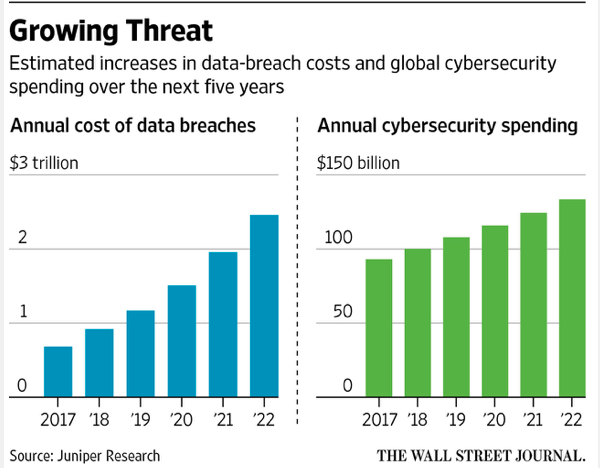
These are not one-time costs. Cybersecurity becomes a recurring operational budget—sometimes one that companies weren’t prepared for.
Even small businesses can suddenly see a 20–40% rise in tech spending after falling victim to a scam.
6. Employee Productivity Takes a Hit
When a scam occurs, it doesn’t just affect the IT team. Employees across departments lose precious time dealing with:
Account resets
Incident reporting
Security awareness refreshers
Manual workarounds while systems are restored
Investigations and interviews
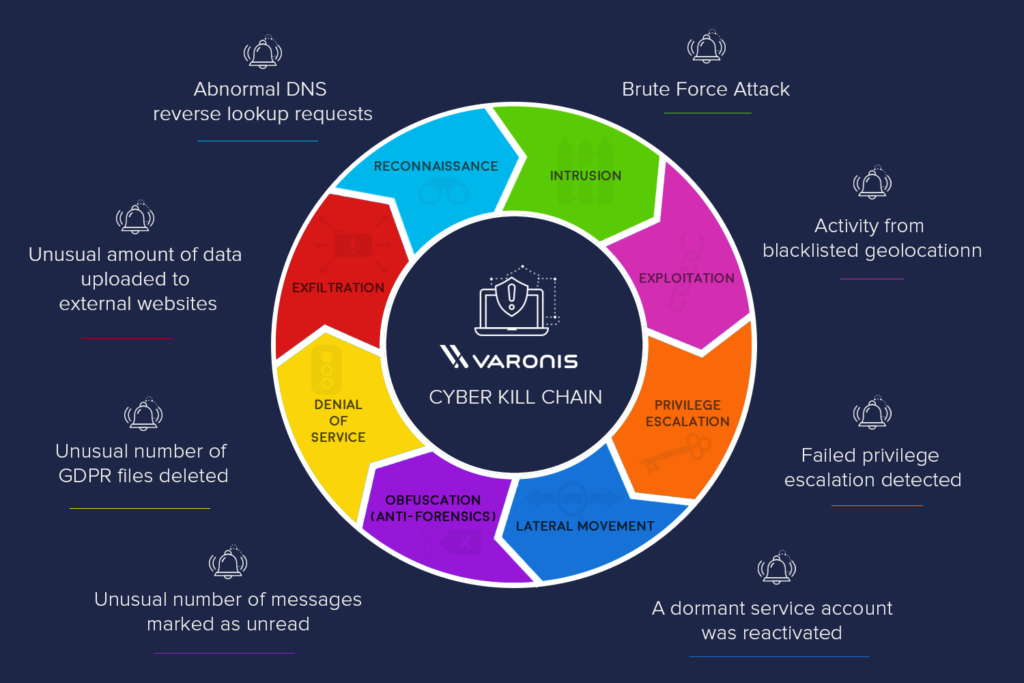
This productivity drop can last days or weeks depending on the severity. And because the impact is spread across teams, companies often underestimate how much this costs them.
7. Damage to Business Partnerships
Many companies rely on suppliers, distributors, or financial partners. A cyber scam creates doubt in these relationships.
For example:
A vendor may demand stricter payment terms
A partner may insist on additional verification steps
Banks may increase monitoring or put holds on suspicious transactions
Insurance companies may hike premiums
These frictions slow the business down and increase long-term operational costs.
8. Loss of Intellectual Property and Confidential Data
Sometimes, scammers are not after immediate money—they want your ideas.
This includes:
Product designs
Pricing strategies
Business proposals
Market research
Client data
Proprietary software or algorithms
When competitors or malicious actors get access to this information, it can lead to long-term financial loss. You may lose bids, lose clients, or watch competitors replicate strategies you invested heavily to develop.
Why Are These Scams Increasing So Rapidly?
Three main reasons:
1. Scammers are using AI to create more convincing attacks.
Fake emails, voice clones, deepfake videos—everything looks scarily real.
2. Hybrid work has expanded the attack surface.
Employees working from phones, home Wi-Fi, or shared devices increase vulnerability.
3. Companies underestimate social engineering.
Most scams don’t break systems—they trick people.
This is why internal awareness is now as crucial as firewalls and antivirus tools.
How Companies Can Reduce These Losses
A few practical steps can dramatically reduce risk:
Conduct regular cybersecurity training
Implement 2-factor authentication everywhere
Use email filtering and anti-phishing tools
Verify payments through secondary confirmation
Maintain regular device and server updates
Back up data every week
Run mock phishing simulations
Invest in cyber insurance
Secure admin access and passwords
Cybersecurity doesn’t have to be expensive; inconsistent practices are what cost the most.
Final Thoughts
Cyber scams are no longer a distant threat—they’re an everyday business reality. Companies aren’t just losing money through stolen funds. They’re losing revenue, trust, productivity, and future opportunities without realising the full impact.
If your business hasn’t reviewed its cyber protection strategy recently, this is the right time. A small preventive step today could save you lakhs—or even crores—tomorrow.