
This Is Not a “Beginner Problem”
Most cyber scam victims in India are not careless people. They are not beginners. In fact, many are well-educated professionals working in offices, hospitals, IT companies, startups, and corporate environments.
The mistake professionals make is simple. They assume cyber scams are obvious. They think scams always look fake or poorly written. That assumption is dangerous.
Today’s cyber scams are built to look normal. They fit smoothly into a professional routine. Emails look like work emails. Calls sound like customer support. Messages feel like something you would normally receive during a busy workday.
Why Professionals Are Targeted More Than Others
Cyber criminals prefer professionals because professionals are busy. They respond quickly. They trust systems. And they rarely expect to be tricked.
A working professional usually has:
- A salary account
- Active UPI or credit cards
- Office email access
- Public professional profiles
That combination makes them valuable targets. Scammers know that professionals don’t have time to cross-check every call or message. That lack of time is what criminals use.
Email Scams That Look Like Regular Office Work
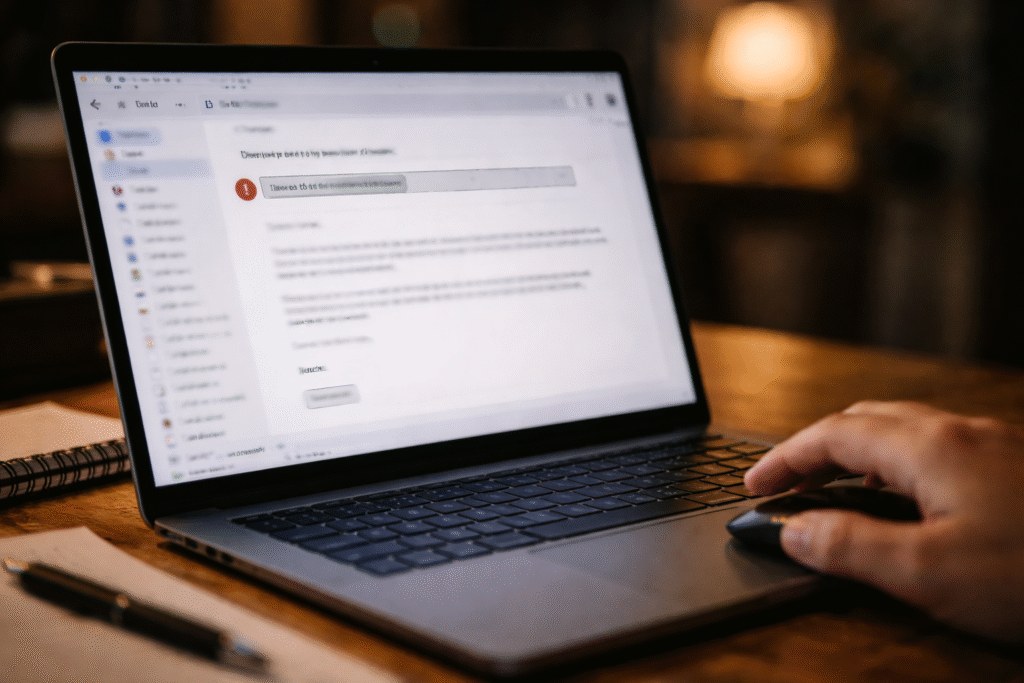
One of the most common traps starts with an email. Nothing dramatic. No threats. No spelling mistakes.
The email may say something like:
- “Action required on your account”
- “Policy update”
- “Pending verification”
Professionals receive such emails every day. That’s why these scams work. The message doesn’t stand out. It blends in.
Sometimes the email asks you to click a link. Sometimes it asks you to download a file. Sometimes it simply asks you to log in again. One small action is enough to expose passwords or system access.
Many victims realize something is wrong only after their email or bank account starts behaving strangely.
Phone Calls That Sound Helpful, Not Suspicious

Another common scam happens through phone calls. These calls don’t feel aggressive. The caller speaks politely. Sometimes they even sound concerned.
They may say they are calling to:
- Prevent fraud
- Fix an account issue
- Help with verification
Professionals are used to such conversations. They listen. They cooperate. And slowly, information is shared or a transaction is approved.
The problem is not intelligence. The problem is trust combined with urgency.
Job and Internship Scams Are No Longer Obvious

Career-related scams have become extremely common, especially among professionals exploring better opportunities.
Messages arrive through emails or professional platforms. The recruiter sounds genuine. The job description looks realistic. The salary is attractive, but not unbelievable.
Then comes a small request.
A registration fee.
A verification charge.
A training cost.
The amount is usually low enough to avoid suspicion. Once paid, the communication slowly disappears. In some cases, personal documents shared during the process are misused later.
UPI Fraud That Doesn’t Ask for OTP

Many professionals believe OTP sharing is the only risk. That’s not true anymore.
UPI frauds now happen without OTP sharing. Victims are confused into approving transactions instead of receiving money. Fake refund messages and customer care calls are common methods.
These scams usually happen when the person is distracted — during office hours, meetings, or travel. The transaction happens in seconds. By the time the mistake is understood, the money is gone.
Social Media Makes Scams Personal

Professionals share a lot online without realizing it. Job roles, company names, office locations, promotions.
Scammers study this information. They design messages that feel personal. When a message mentions your company or role, it feels real.
That familiarity lowers caution. That’s when mistakes happen.
WhatsApp Scams Feel Too Familiar

WhatsApp scams are dangerous because they feel personal. Messages often come from unknown numbers pretending to be someone helpful. Sometimes they come from hacked accounts of people you actually know.
Requests for urgent help or quick payments are common. Because the platform feels informal, people react emotionally instead of logically.
Many professionals regret replying before verifying.
Why These Scams Are Hard to Spot
The biggest problem with modern cyber scams is this:
They don’t look like scams.
There are no obvious warning signs. No bad grammar. No unrealistic promises.
Scammers copy real communication styles. They behave like professionals. They understand timing and pressure. That’s why detection becomes difficult.
The Damage Goes Beyond Money
Money loss hurts, but the emotional impact is worse. Victims feel embarrassed. Many don’t report the incident. Some lose confidence in digital systems completely.
Professionals worry about identity misuse, data leaks, and reputation damage. Recovery takes time. Sometimes trust never fully returns.
Final Thought: Slow Down Before You React
Cyber scams don’t succeed because people are foolish. They succeed because people are busy.
A few seconds of pause can prevent a big loss.
Question urgency.
Verify sources.
Avoid reacting emotionally.
Cyber awareness is no longer optional for professionals. It is part of survival in a digital working world.